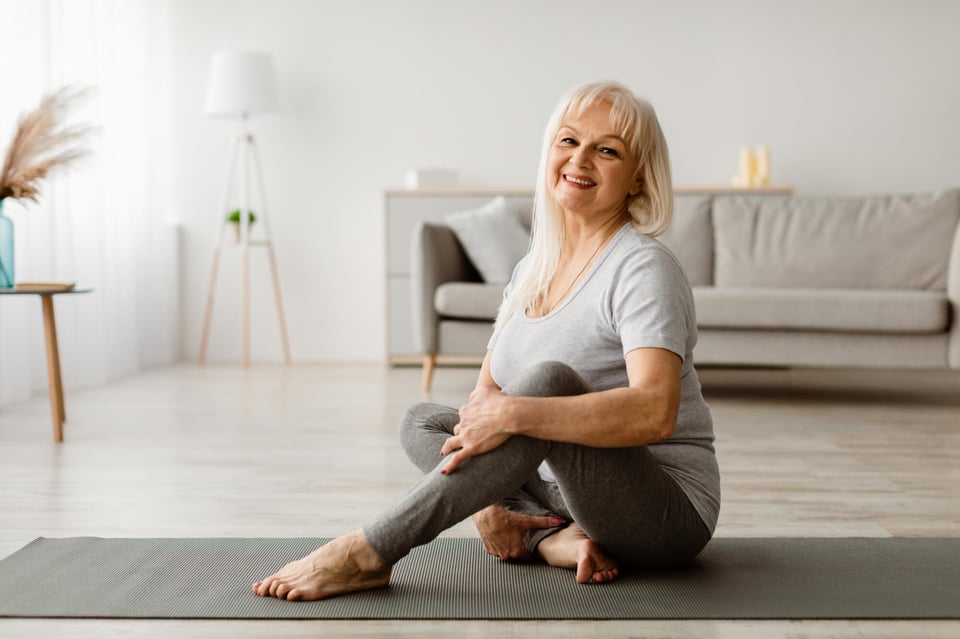
Low-impact exercise for seniors helps build strength, maintain stability, and protect their joints, and Pilates stands out because its slow, controlled movements support balance and core engagement without strain. It offers an accessible way to stay active while reinforcing posture, coordination, and confidence. The method focuses on precision rather than force, which makes it especially useful for aging bodies in New Bern, NC.
Imagine a senior who once felt uncertain about exercise easing into a Pilates session where each movement is supported, guided, and thoughtfully paced. The room stays quiet, the motions stay gentle, and the focus stays on steady breathing and smooth transitions. This kind of environment gives older adults space to rediscover what their bodies can do, creating a routine that supports long-term strength and control without overwhelming intensity.
How Does Pilates Improve Stability and Balance in Older Adults?
Pilates strengthens the deep, supportive muscles that help keep the body steady as it moves through daily routines. Slow, controlled exercises train the core, hips, and lower back to work together, creating a steadier foundation for walking, standing, and shifting weight.
This coordinated strength with mind-body exercise helps seniors feel grounded as they move, which plays a major role in reducing wobbly moments or hesitation during transitions.
The practice also retrains balance through mindful, deliberate movement. Each exercise invites attention to:
- Posture
- Breathing
- Alignment
- Muscle engagement
- Weight distribution
This sharpens the body's internal sense of where it is in space. That awareness helps seniors react with purpose instead of instinct when adjusting their footing.
Over time, this combination of muscle support and improved body awareness helps seniors carry themselves with smoother, more predictable motion.
Senior Pilates Benefits: How Does Pilates Support Better Posture for Seniors?
Pilates helps seniors reconnect with upright, comfortable posture through movements that strengthen the muscles responsible for keeping the body aligned.
Many exercises focus on the core, upper back, and hips, which work together to support the spine.
As these areas grow stronger, it becomes easier to move around. This renewed muscle support often brings a sense of lightness to everyday tasks, since the body no longer has to work against poor alignment.
The method also encourages awareness of how the body holds itself. Slow, intentional pacing gives seniors time to notice their:
- Shoulder placement
- Breathing pattern
- Spinal position
- Hip alignment
- Core engagement
Over time, this mindful approach turns good posture into a natural habit rather than something that needs constant correction.
Building Lasting Strength
Pilates gives seniors a way to tune into how their bodies move instead of rushing through exercise on autopilot. Each session blends breathing, pacing, and focused attention, which helps sharpen the mind-body link.
This awareness becomes especially meaningful with age, when movement patterns can shift, and confidence may fluctuate. Staying mentally engaged during each exercise helps seniors recognize how their muscles activate, how their balance adjusts, and how their posture shifts.
This mindful approach also supports long-term strength. When seniors understand how their bodies respond to each movement, they can adjust with ease, protect themselves from strain, and build habits that feel natural rather than forced.
Over time, this sense of inner alignment brings a steady confidence that extends beyond the studio, supporting comfortable, intentional movement throughout the day.
Moving With Ease
Pilates teaches the body to work efficiently, which carries over into the movements seniors make from morning to night. Exercises highlight smooth transitions, gentle muscle engagement, and controlled pacing, helping the body relearn how to move without unnecessary tension.
As seniors build this ease into their practice, it often translates into everyday actions such as rising from a chair, bending to reach for items, or stepping over small obstacles.
This newfound fluidity reduces the sense of stiffness that can creep in with age. Muscles start to cooperate instead of overcompensating, and motion becomes less fragmented.
Frequently Asked Questions
How Often Should Seniors Practice Pilates to See Results?
Seniors usually start noticing steady improvements when Pilates becomes a consistent part of their weekly rhythm. Most older adults feel well-supported with two or three sessions per week, which allows the body to build strength and maintain comfortable joint mobility without feeling overworked.
Some prefer shorter, more frequent routines, especially if they enjoy chair-based movements or gentle stretching at home. The key is choosing a schedule that feels sustainable.
Regular mind-body exercise for seniors helps older people experience smoother motion, greater control, and stronger core support, often within a few weeks of staying committed to their routine in senior living communities.
Is Group Pilates a Good Option for Seniors?
Group safe senior workouts can be an excellent option for seniors because they blend low-impact movement with a motivating, community-oriented setting.
Classes designed for older adults move at a steady pace and provide modifications that help each participant feel supported. Seniors often appreciate the shared energy of the group because it turns exercise into a social experience rather than a solitary task.
Group settings also encourage consistency. A weekly class creates a rhythm that helps seniors stay engaged and enjoy the camaraderie that forms naturally among classmates. This supportive environment often becomes just as meaningful as the physical benefits.
What Should Seniors Wear to Their First Pilates Session?
Seniors will feel most comfortable in clothing that allows easy, unrestricted movement. Soft, fitted tops and flexible pants or leggings help instructors see alignment and offer gentle guidance when needed. Supportive socks with grip bottoms are useful in studios that prefer a non-slip surface, while some classes remain barefoot.
Jewelry that could catch on equipment is best left at home, and layers can help adjust to room temperature during warm-up and cool-down. Choosing simple, breathable clothing sets the stage for a smooth first session and keeps attention on learning the movements with confidence.
Low Impact Exercise for Seniors: Get on It
Clearly, low-impact exercise for seniors can be hugely impactful.
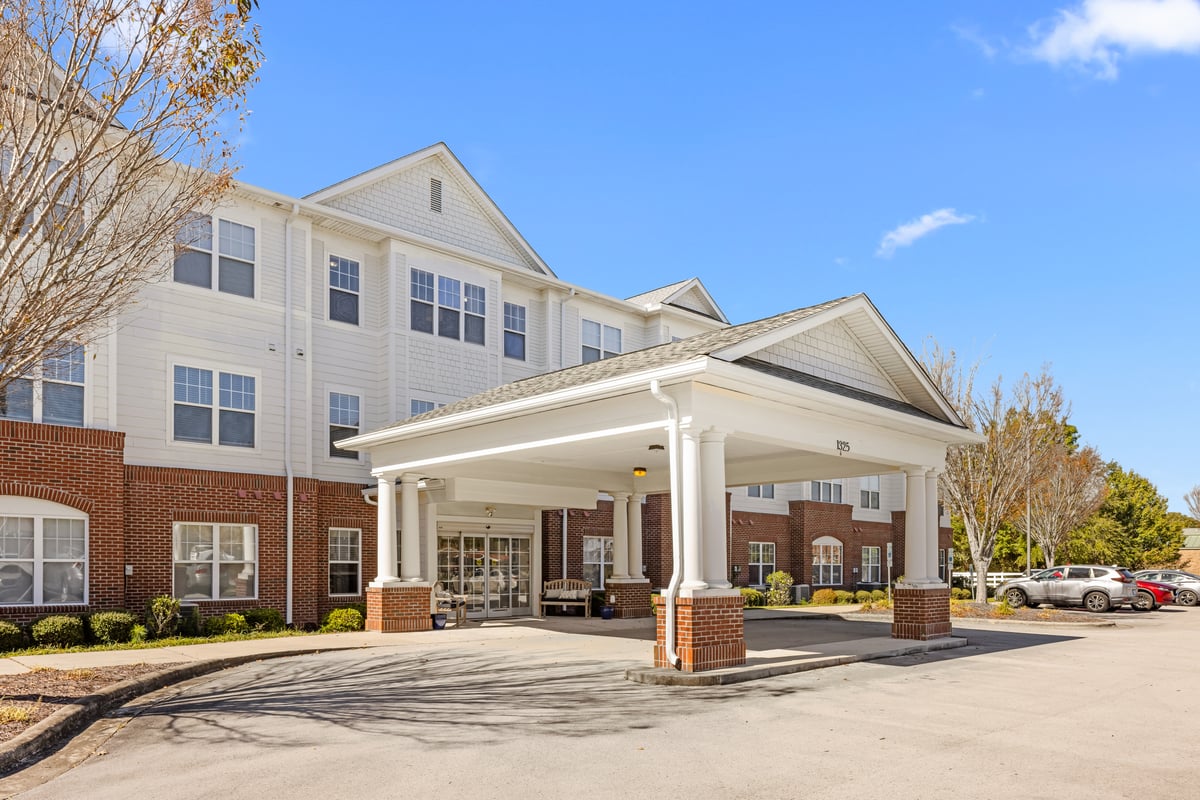
Pilates offers a comfortable path to stronger balance, better control, boosted daily confidence, and improved core strength for older adults. Residents at McCarthy Court enjoy independent living with access to a fitness center, wellness activities, and a community designed for comfort and routine.
If you're ready to pair low-impact movement that supports aging and flexibility with a home that encourages active living, McCarthy Court is the community to start with. Contact us today.