.jpg?width=960&length=960&name=best%20brain%20exercises%20for%20seniors%20(1).jpg)
Mental sharpness in later years is built, not lucked into. The best brain exercises for seniors actively train focus, reward curiosity, and reinforce mental clarity through simple, repeatable challenges woven into daily life. When the brain is engaged with intention, thinking stays quicker, clearer, and more confident in New Bern, NC.
Imagine realizing that the moments you feel most alert are not accidents. They happen when your mind is stretched just enough to stay interested without feeling overwhelmed. A puzzle that asks for strategy, a new skill that forces fresh thinking, or a habit of asking better questions can quietly improve brain wellness in aging.
Mental Fitness for Seniors: Building Focus
Building focus exercises help seniors strengthen attention by gently training the brain to stay present and follow through without distraction.
As attention naturally softens with age, these exercises work best when they are simple. The aim is not to multitask, but to practice sustained awareness during one activity at a time, which supports clearer thinking throughout the day.
Activities that require following steps or maintaining attention for short periods are especially effective. Examples include:
- Completing a puzzle
- Organizing items by category
- Listening carefully during a conversation
These encourage seniors to remain engaged from start to finish. Over time, these moments of focused effort provide cognitive support and make it easier to stay attentive during everyday tasks.
Memory Activities
Memory activities strengthen recall by sharpening how the brain retrieves information rather than how much it holds. The focus stays on reinforcing access to memories, which supports confidence during everyday interactions.
Tasks that involve sequencing, association, and recognition are especially effective when it comes to mental fitness for seniors. Examples include:
- Remembering the order of past events
- Matching names to faces
- Noticing patterns in daily routines
- Connecting stories to specific locations or moments
- Grouping related information together
- Tracking small changes in familiar routines
These encourage the brain to organize information more efficiently. These activities activate multiple cognitive pathways at once, supporting clearer and faster recall.
Over time, memory-focused practice helps reduce hesitation and mental pauses. When recall is exercised regularly in comfortable settings, seniors often notice smoother conversations, improved awareness, and greater ease in daily decision-making.
Moving Around for Brain Wellness
Movement-based brain exercises support mental clarity by activating both the body and the mind at the same time. When seniors move with intention, the brain must coordinate balance, timing, and awareness, which strengthens attention and processing speed. Even gentle movement creates signals that help the brain stay alert and responsive.
Activities that combine motion with awareness are especially effective. Paying attention to breathing while walking, following simple movement cues, or adjusting pace and direction keeps the mind engaged throughout the activity. This type of movement challenges focus without feeling demanding, making it easier to sustain over time.
Regular movement also supports clearer thinking by reducing mental sluggishness. As physical activity becomes routine, seniors often notice improved alertness, steadier focus, and a greater sense of mental ease. Movement done consistently helps maintain cognitive energy and supports clarity throughout the day.
Building Flexibility
Mental flexibility exercises help seniors stay clear-headed by encouraging the brain to adjust, shift, and respond to change. When thinking becomes repetitive or rigid, focus and curiosity tend to fade. Activities that require adapting to new information or switching approaches keep the brain responsive and engaged.
Exercises that involve choice-making or perspective changes work especially well. Doing the following encourages the brain to stay active rather than defaulting to routine:
- Adjusting plans
- Trying a different strategy
- Responding to new cues
- Shifting attention between related tasks
- Adapting to small, unexpected changes
This type of mental work strengthens problem-solving skills and supports confidence when navigating everyday changes.
Frequently Asked Questions
How Often Should Seniors Do Brain Exercises to See Real Cognitive Benefits?
Seniors see the most reliable cognitive benefits when brain exercises are done a little bit every day rather than in long, occasional sessions. Brief daily engagement keeps the brain active and responsive, helping strengthen focus, memory, and mental flexibility without causing fatigue. Regular use matters far more than intensity for those in senior living communities.
For many seniors, even ten to twenty minutes of mental activity woven into normal routines is enough to support progress. The following all count when done consistently:
- Reading
- Problem-solving
- Social interaction
- Participating in lifelong learning
The brain responds best to repetition and variety, not pressure.
How Long Does It Take to Notice Mental Clarity Improvements From Brain Exercises?
Most seniors begin to notice subtle mental clarity improvements within a few weeks of consistent brain exercise, although the timeline varies by individual. Early changes often show up quietly, such as easier concentration during conversations, improved follow-through on daily tasks, or feeling less mentally foggy. These small shifts signal that the brain is responding to regular stimulation.
More noticeable gains typically develop over one to three months as the brain builds stamina and stronger neural pathways:
- Focus lasts longer
- Recall feels less effortful
- Curiosity becomes easier to sustain throughout the day
- Attention recovers faster after distractions
- Confidence increases during conversations
Progress depends less on the difficulty of the exercises and more on how regularly they are practiced.
How Can Seniors Rebuild Focus After Periods of Isolation or Inactivity?
Seniors can rebuild focus after periods of isolation or inactivity by easing the brain back into steady, meaningful engagement rather than pushing for sudden change. Long stretches of quiet or routine disruption often dull attention, so progress starts with gentle mental stimulation that feels manageable.
Simple daily activities that require presence help retrain attention without fatigue. These include:
- Reading short articles
- Listening actively during conversations
- Following a familiar routine
- Practicing awareness of time and sequence
The Best Brain Exercises for Seniors: Try These Today
With these best brain exercises for seniors, older people can keep themselves sharp for years to come.
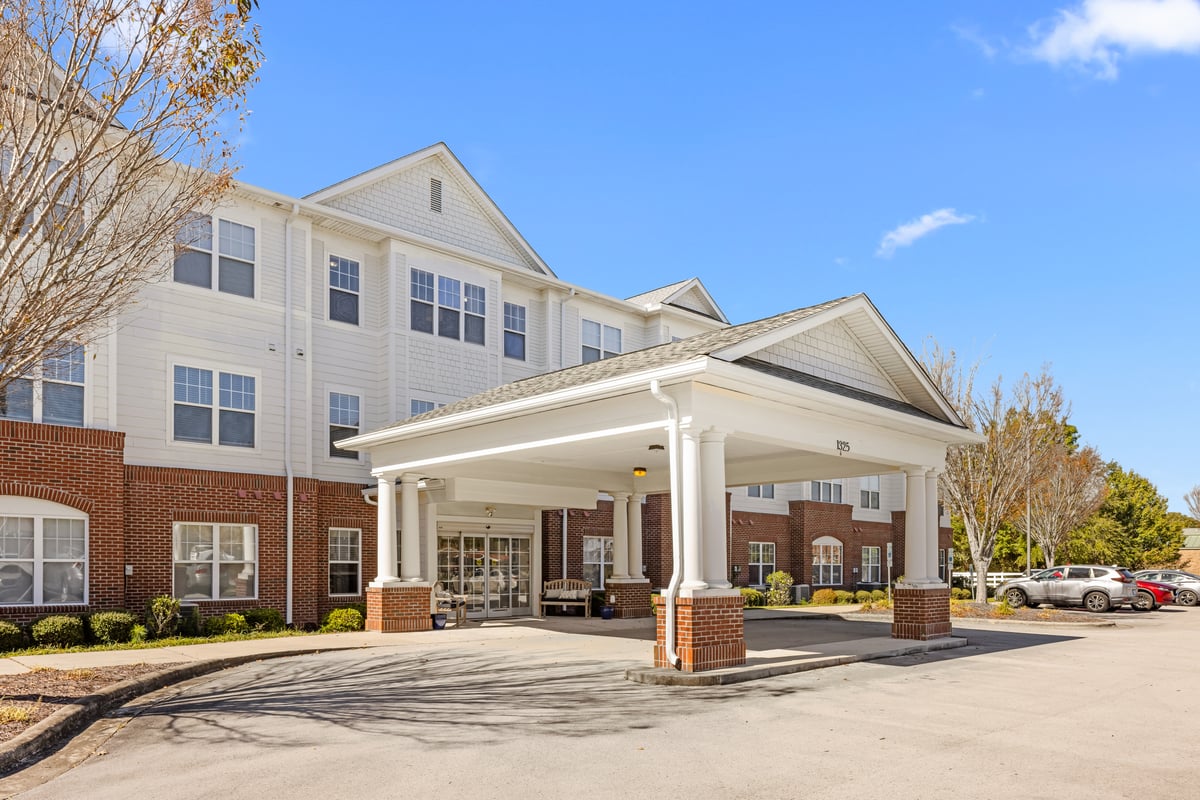
Mental fitness at McCarthy Court is woven into everyday life, from activity calendars filled with games, lectures, and group discussions to wellness programming that keeps both body and mind engaged. Our independent living community in New Bern offers chef-prepared meals, social spaces designed for connection, and structured experiences that naturally support focus and mental clarity.
Schedule a tour to see how McCarthy Court supports an active, curious lifestyle every day.